

The Impact of Streaming on the Gaming Industry
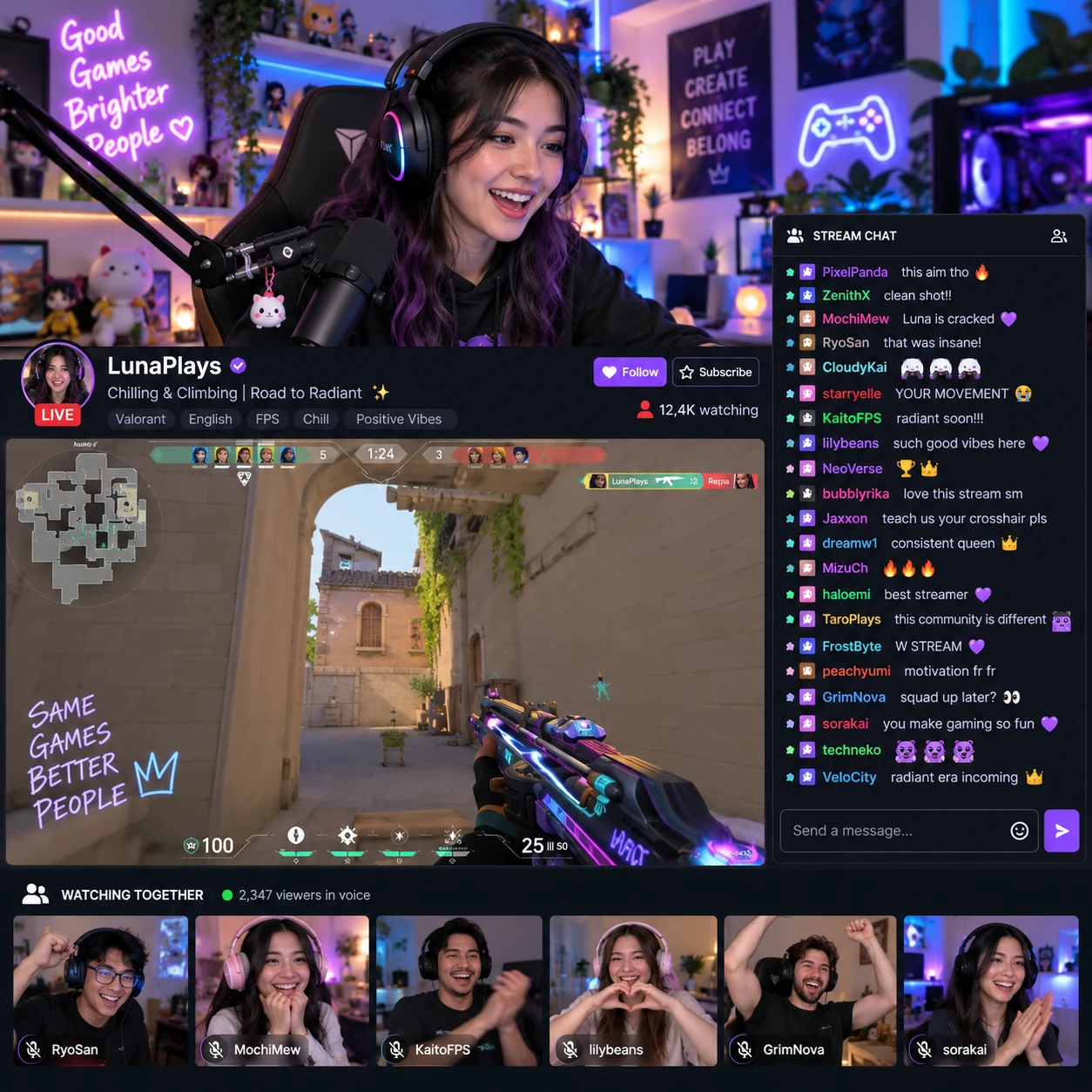
Gaming used to happen mostly between a player and a screen. Now, millions of people also watch games unfold live, talk with creators, and share reactions in real time. Game streaming has become part of how players discover titles, how publishers market them, and how communities form around them.
Platforms such as Twitch and YouTube Gaming connect players, streamers, developers, and audiences, but their influence is not the same for every game. A multiplayer title with dramatic moments may thrive on live broadcasts; a quiet, story-driven game may be better suited to edited videos or private play. Understanding that difference helps explain streaming’s benefits and its limits.
How game streaming became part of gaming culture
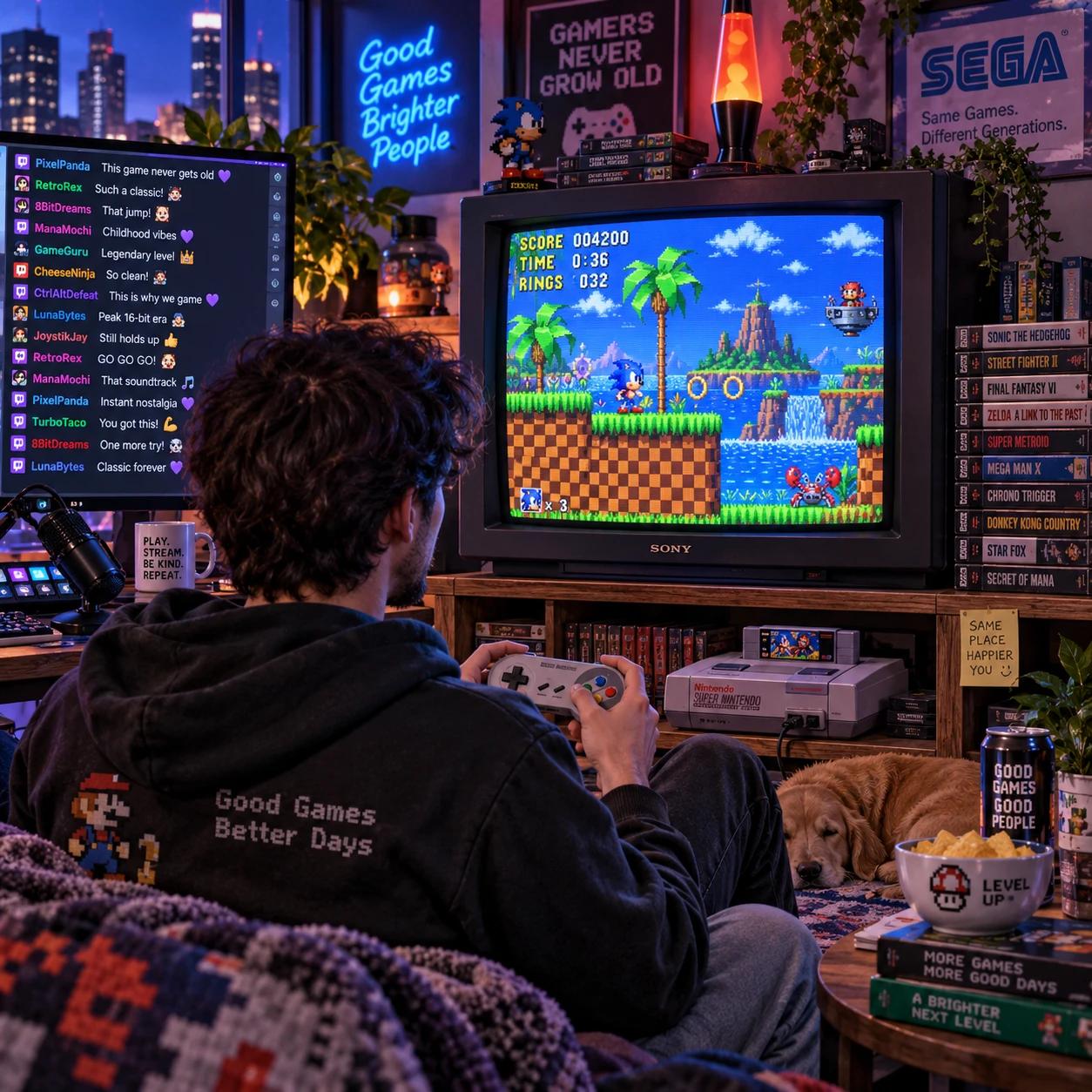
Game streaming made gameplay a shared experience by letting creators broadcast live while viewers watch and participate through chat. It expanded gaming culture from playing games privately to performing, discussing, and reacting to them together.
Early online video made it easy to share gameplay after a session. Live-streaming platforms changed the timing: audiences could watch a difficult boss fight, a tournament, or a first impression as it happened. Chat, subscriptions, emotes, and live alerts turned the broadcast into a social space, with the streamer acting as both player and host.
That shift created a wider range of ways to take part in gaming. Some viewers watch to learn a strategy; others enjoy a creator’s personality or the company of a familiar chat. A stream can be background entertainment, a tutorial, or a place to meet people with the same interests. In each case, viewers engage with games without necessarily holding a controller.
Live streams and edited gaming videos serve different needs. A live broadcast offers spontaneity and interaction, while edited videos can cut out downtime and focus on highlights, reviews, or explanations. Both formats help creators reach audiences, and many channels use each for a different purpose.
Streaming as a powerful discovery channel
Streaming helps people discover games by showing how they look and feel in actual play. A stream or creator video can reveal a game’s pace, challenge, humor, and social features more clearly than a store description or trailer.
For an unfamiliar title, watching someone play can answer practical questions: Does the combat feel responsive? Is the match length manageable? Does multiplayer depend on teamwork? Viewers can also see how a game behaves beyond a polished marketing clip, including its learning curve and the kinds of moments that make it entertaining.
Streamers and content creators influence interest through their own tastes and communities. A creator who enjoys strategy games may bring a new audience to a smaller release, while a popular multiplayer stream can encourage viewers to join friends already playing. YouTube Gaming’s searchable videos can keep introducing a title after a broadcast ends; Twitch’s live format can create a concentrated moment of attention.
Discovery through streaming has limits. A game may be enjoyable to play but not compelling to watch, and popular categories can make it difficult for a new release to stand out. A stream also cannot reliably tell every viewer whether a game suits them. Developers benefit most when creator coverage reaches the audience likely to enjoy the game, rather than treating raw exposure as a measure of lasting interest.
How streaming influences game design and launches
Streaming influences game design when developers consider how play will look and feel to both participants and spectators. It can shape spectator-friendly features, creator access, and launch planning, but it should not replace the needs of people who play.
Design choices can make a game easier to follow on a small screen. Clear visual cues, readable interface elements, understandable objectives, and dramatic but legible action help viewers grasp what is happening. Multiplayer games may also include spectator modes, replay tools, or custom lobbies that support tournaments and creator events.
Developers sometimes provide streamers with early access, preview builds, or guidance about embargoes and spoiler-sensitive content. These arrangements can help creators prepare coverage for launch day. They also require care: early footage may show bugs, incomplete features, or content that changes before release. Transparent communication helps set expectations for creators and viewers.
Launch visibility is another consideration. A release that arrives amid many competing broadcasts can be hard to find, while a well-timed event or creator showcase can give it a clear introduction. Still, designing only for spectator appeal carries a cost. If a feature looks exciting but makes the actual experience repetitive or confusing, players may lose interest after the stream ends. The strongest approach is to make the game satisfying to play first, then make its key moments easy to understand from the outside.
The growth of esports and gaming communities
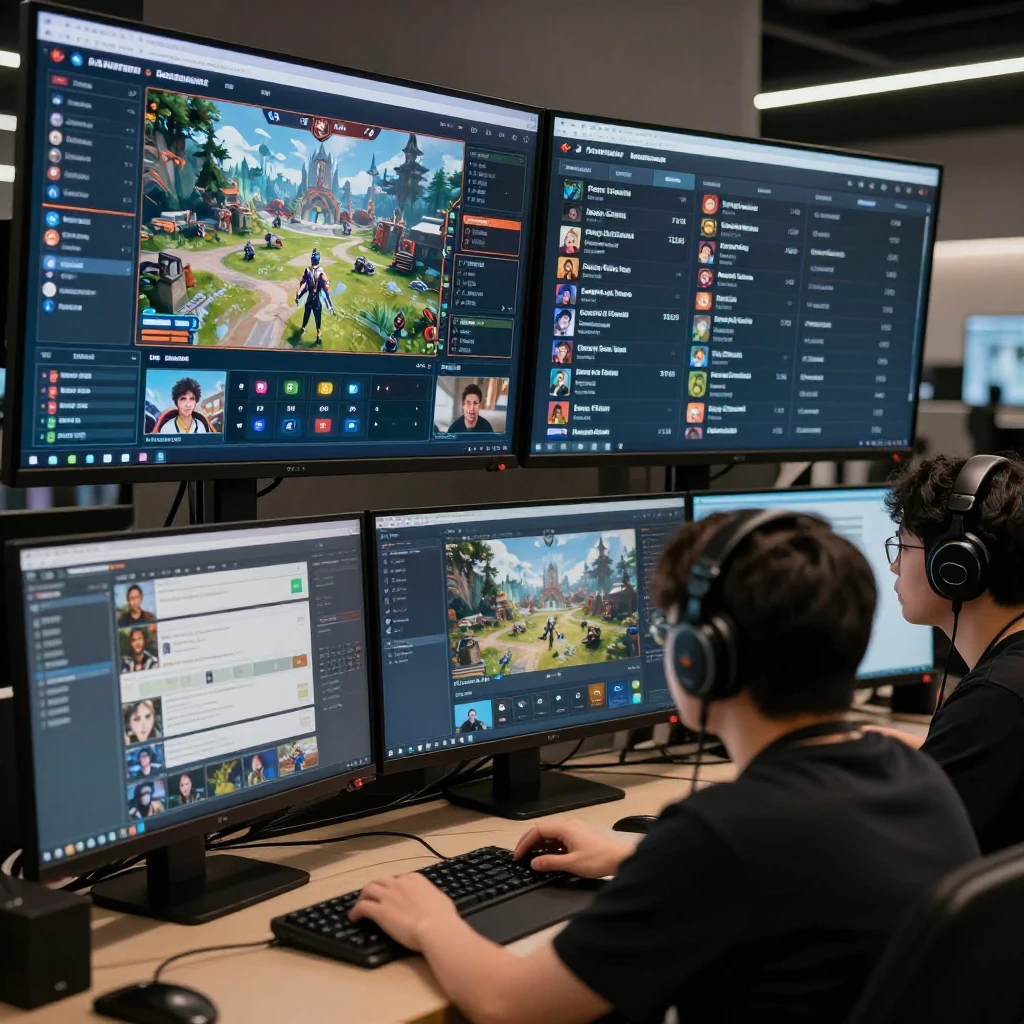
Live broadcasts have helped esports reach audiences beyond the people attending events or playing the games themselves. Streams bring viewers together around teams, players, tournaments, and shared reactions.
For esports, streaming makes competition easier to access. Audiences can follow matches from different regions, watch commentary, and discuss tactics in chat. Broadcasters can add player interviews, analysis, and replays to help newcomers understand the stakes. This creates a viewing experience that differs from simply watching a match on a screen: the community supplies context and energy.
Streaming also supports communities outside professional competition. A creator may organize viewer games, teach beginners, or give a small group a regular place to gather. Fans build shared references around memorable plays, recurring jokes, and favorite creators. These connections can last even when viewers are not actively playing the same game.
Community size does not automatically mean community health. Fast-moving chat can become difficult to moderate, and harassment or spoilers can push people away. Streamers and event organizers need clear rules, active moderation, and tools that let viewers control what they see. For developers, community feedback can surface bugs or balance concerns quickly, though a vocal chat should not be mistaken for a representative survey of all players.
Monetization opportunities and trade-offs
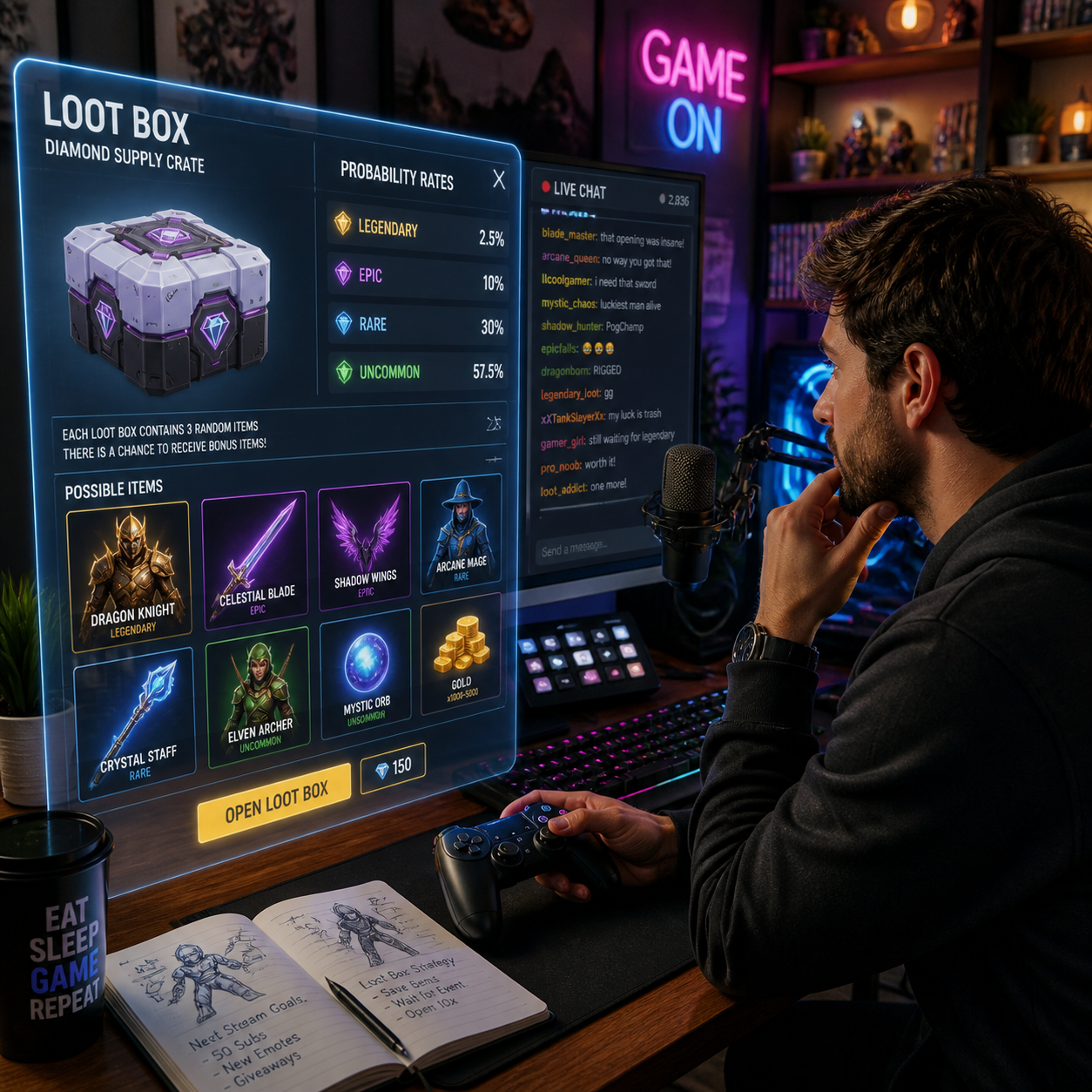
Streaming creates ways for creators and publishers to earn money through subscriptions, advertising, donations, sponsorships, and game sales. Each source depends on audience trust, platform policies, and sustained attention, so income is rarely guaranteed.
Creators may receive subscription payments or viewer contributions, share advertising revenue, and work with sponsors. Some also earn through affiliate links or partnerships tied to games and hardware. These options reward consistent publishing and a strong relationship with viewers, but they bring costs: time spent streaming, editing, moderating, and managing business arrangements.
Publishers can use livestreams to promote releases, support esports, or reach niche audiences through creator campaigns. A well-matched partnership can show a game in context and answer questions in real time. A poor match can feel like an interruption, especially if sponsorship is not disclosed clearly or the creator’s audience has little interest in the game.
Platform dependence is a real trade-off. Changes to recommendation systems, revenue shares, content rules, or account access can affect a creator’s livelihood and a publisher’s campaign. Diversifying across Twitch, YouTube Gaming, and other channels can reduce reliance on one service, although maintaining several platforms takes additional effort. For viewers, ads and paid promotions may also interrupt the experience, so sustainable monetization depends on keeping the content worth watching.
Challenges and what may come next
Streaming’s main challenges are crowded discovery, uncertain creator income, moderation demands, and the risk of prioritizing watching over playing. Its next phase will depend on how platforms and game companies balance audience reach with healthy, durable communities.
For new games, visibility is difficult to secure when many creators cover the same popular titles. Recommendations can change, and attention often moves quickly. Smaller creators may offer a closer fit with a niche audience, but publishers need to evaluate more than follower counts: audience relevance, viewing habits, and the creator’s credibility all matter.
Creators face a different pressure. Regular streaming can build community, yet relying on long hours and unpredictable revenue can be difficult to sustain. Clear schedules, multiple content formats, and boundaries around personal time may help, but there is no single formula for turning a hobby into stable work. Platforms also carry responsibility for clear policies and effective safety tools.
Players and developers should treat streaming as one part of gaming, not a replacement for every other way of enjoying it. Some titles invite spectators; others work best when experienced firsthand. The practical question for a game company is not simply, “Can this be streamed?” It is whether streaming adds something useful to discovery, competition, or community without compromising the play itself.
Frequently asked questions
How does streaming help people discover new games?
Streaming shows real gameplay, so viewers can judge a game’s pace, mechanics, and social experience before buying or downloading it. Creator recommendations and live chat can also point audiences toward titles they might not find through store pages alone.
Does streaming affect how games are designed?
Yes. Some developers make interfaces, spectator modes, replay tools, and multiplayer events easier to follow on a broadcast. These choices work best when they support the player experience rather than making a game entertaining only to watch.
How do streamers make money?
Streamers may earn through subscriptions, advertising, viewer donations, sponsorships, affiliate programs, and other creator partnerships. Earnings vary, and platform rules, audience size, and viewer engagement can all affect income.
What challenges does streaming create for the gaming industry?
Streaming can make game discovery more crowded, leave creators dependent on changing platform policies, and increase moderation demands. It can also encourage companies to focus too heavily on spectator appeal, even when a game’s core audience values playing privately.