

The Rise of Esports: How Competitive Gaming Went From Hobby to Profession
Twenty years ago, telling your parents you wanted to be a professional gamer would have earned you a lecture about realistic career choices. Today, that same conversation might end with them asking how to buy tickets to your next match. The transformation of competitive gaming into a structured, legitimate industry is one of the most striking cultural shifts of the 21st century — and it happened faster than almost anyone predicted.
What Is Esports and Where Did It Begin?
Esports refers to organized, competitive video gaming played at a professional or semi-professional level, often in front of live or online audiences. The roots go back further than most people realize.
The earliest recognizable competitive gaming events trace back to the 1970s and 80s, when arcade culture created natural leaderboard competition. The 1980 Space Invaders Championship, organized by Atari, drew over 10,000 participants — a staggering number for the era. Through the 1990s, LAN (local area network) parties evolved into organized tournaments, with games like StarCraft in South Korea developing a genuine professional scene complete with televised broadcasts and salaried players as early as the late 1990s.
The early 2000s saw tournament organizers like ESL (Electronic Sports League) and DreamHack formalize competition structures in Europe and North America, creating the scaffolding that today's industry is built on. These weren't just gaming events — they were the first blueprints for what professional esports infrastructure would eventually become.
The Turning Point — When Gaming Became a Spectator Sport
The single biggest catalyst for esports' mainstream explosion was the rise of live streaming platforms. When Twitch launched in 2011, it gave competitive gaming something it had always lacked: a scalable, accessible broadcast channel that anyone with an internet connection could watch for free.
Suddenly, a League of Legends match between top-tier teams could draw millions of simultaneous viewers. The 2019 League of Legends World Championship peaked at over 44 million concurrent viewers — numbers that rival traditional sporting events. YouTube Gaming, Facebook Gaming, and other platforms followed, intensifying competition for viewership and driving production quality higher.
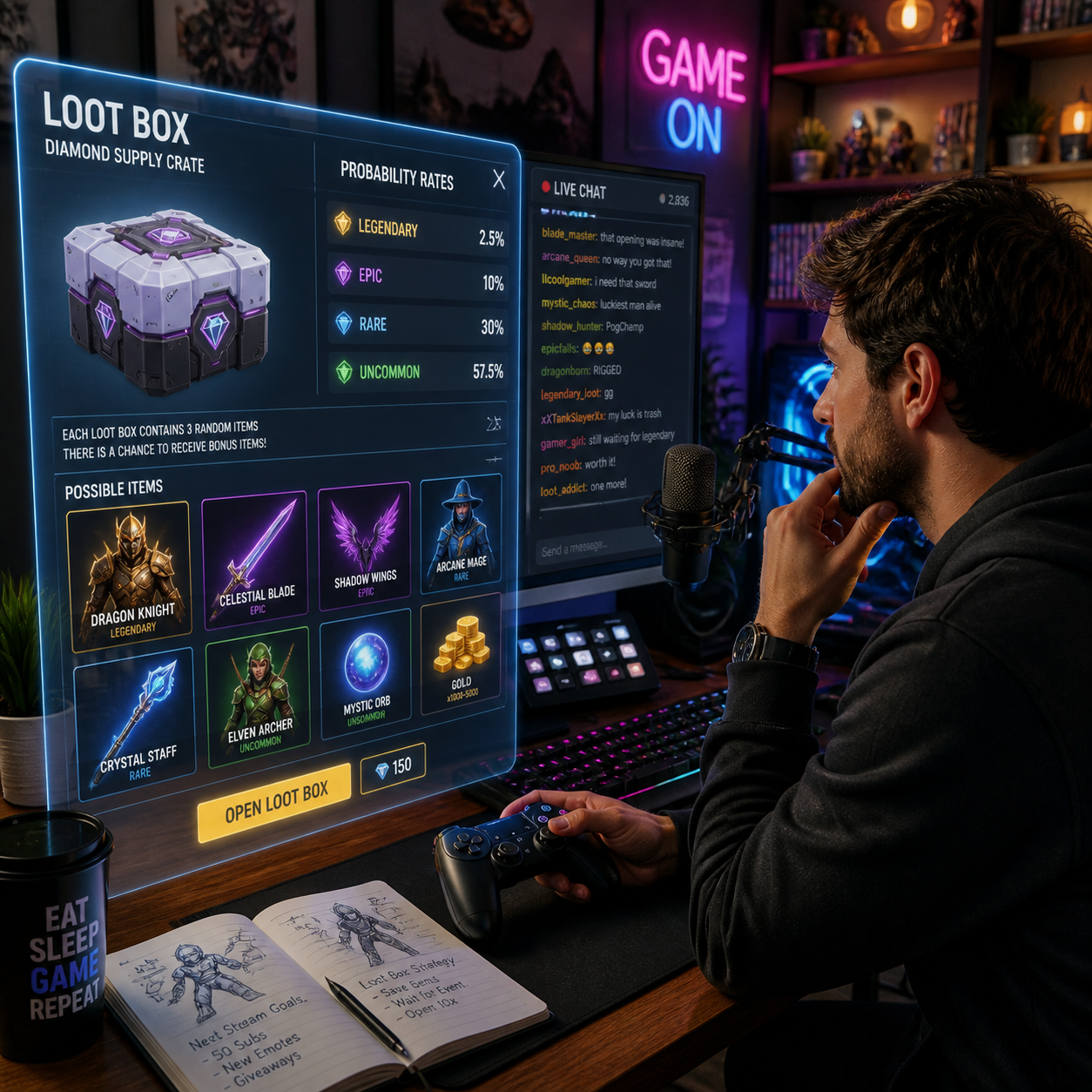
This shift changed everything. Streaming platforms didn't just distribute content — they created communities around it. Viewers could interact with players directly, follow their favorite pros across social media, and consume hours of daily gaming content. Esports stopped being something you played and became something you watched, followed, and talked about. That's when brands started paying serious attention.
The Money Behind the Movement — Sponsorships, Prize Pools, and Revenue Streams
Esports became financially viable through multiple converging revenue streams, not any single source. Understanding this matters, because the industry's economic model is genuinely different from traditional sports.
Prize pools get the headlines. The International, Valve's annual Dota 2 championship, has featured prize pools exceeding $40 million in past editions — funded partly through in-game purchases by the player community itself. Fortnite's World Cup offered $30 million in prizes in 2019. These figures legitimized pro gaming as a career in the public eye.
But prize money is only one piece. The real financial engine runs on:
- Brand sponsorships — companies like Red Bull, Intel, BMW, and Louis Vuitton have all signed deals with esports organizations or events
- Media rights licensing to broadcasters and streaming platforms
- Merchandise and team apparel sales
- Ticket revenue from live events held in dedicated esports arenas
- In-game content partnerships and branded skins
Esports organizations have learned to build revenue stacks rather than depend on any single income source. Teams like Team Liquid, Cloud9, and Fnatic operate closer to media companies than traditional sports franchises — producing content, managing influencer relationships, and monetizing their brand across multiple platforms simultaneously.
Building a Career in Esports — It's Not Just About Playing
A career in esports doesn't require being a top-ranked player. The industry has developed a wide ecosystem of professional roles that most outsiders never consider.
Yes, professional players are the visible tip of the iceberg. But behind every team are coaches who analyze opponent strategies, performance analysts who break down replays frame by frame, sports psychologists who manage mental health under competitive pressure, and nutritionists helping players maintain focus during marathon practice sessions.
Beyond the team environment, the broader industry employs:
- Broadcast talent — commentators (casters), analysts, and hosts who make events watchable
- Event managers and production crews who run tournaments with tens of thousands of attendees
- Content creators and social media managers building team brands
- Agents and lawyers negotiating player contracts and sponsorship deals
- Game developers and balance teams ensuring competitive integrity
The collegiate esports pipeline has accelerated this talent development significantly. Hundreds of universities now offer varsity esports programs with scholarships, creating a structured amateur-to-pro pathway that mirrors traditional college athletics. Students can develop skills — whether as players, broadcasters, or managers — in an organized environment before entering the professional market.
Esports Organizations and the Team Ecosystem
Professional esports teams function as multi-title organizations, fielding rosters across several game titles simultaneously. A single organization might compete in League of Legends, Valorant, CS2, and Rocket League at the same time — each with its own coaching staff, practice schedule, and competitive calendar.
Recruitment works differently than most people imagine. Talent scouting happens through ranked ladder performance, amateur tournament results, and increasingly through data analytics platforms that track player statistics. Some organizations run academy or development teams specifically to nurture younger talent before promoting them to the main roster.
The franchise league model, adopted by competitions like the Overwatch League and the LCS (League of Legends Championship Series), brought a more traditional sports structure to esports — with permanent team slots, city-based identities, and revenue sharing. This model attracted significant investment but also sparked debate about whether it suits esports' global, digital-native nature, where regional identity matters less than online community.
Challenges Facing the Esports Industry
The esports industry has real, structural problems that deserve honest discussion rather than being glossed over in the excitement of its growth story.
Player burnout is endemic. Pro players in titles like League of Legends or CS2 often practice 10-14 hours daily. Career spans are short — many players peak between 18 and 25, with reflexes and reaction times declining noticeably by the late 20s in certain genres. This creates enormous pressure to perform during a narrow competitive window.
The industry also struggles with:
- Inconsistent player contracts and limited labor protections compared to traditional sports
- Financial instability at smaller organizations, with several high-profile teams folding or cutting rosters in recent years
- Game publisher control — if a developer discontinues competitive support for a title, entire professional ecosystems can collapse overnight
- Regulatory gaps around player welfare, match-fixing prevention, and doping (yes, stimulant use has been documented in competitive gaming)
The franchise model, while bringing stability in some leagues, has also been criticized for concentrating power among wealthy investors at the expense of grassroots competition and smaller organizations that built the scene originally.
The Future of Esports — Mainstream Recognition and What's Next
Esports is moving steadily toward broader institutional recognition, though the path isn't perfectly linear. Competitive gaming appeared as a medal event at the 2022 Asian Games, and discussions around Olympic inclusion — through the Olympic Esports Series — signal growing acknowledgment from traditional sports governance bodies.
Collegiate programs continue expanding, with organizations like the National Association of Collegiate Esports (NACE) representing hundreds of member schools. This pipeline matters enormously: it normalizes competitive gaming as an academic pursuit and produces graduates with industry-relevant skills across playing, broadcasting, and management.
The integration of new technologies — VR competitive environments, AI-assisted coaching tools, and improved broadcast infrastructure — will likely reshape what professional gaming looks like over the next decade. Mobile esports, already massive in Southeast Asia and South Asia, is gaining traction globally as smartphone hardware catches up with competitive demands.
What's clear is that esports is no longer asking for legitimacy. It has it. The question now is how the industry matures — whether it builds sustainable structures that protect players, support smaller organizations, and grow responsibly, or whether it repeats the mistakes of industries that prioritized rapid expansion over long-term health.
Frequently Asked Questions
Can you make a living playing video games professionally?
Yes, though the reality is more nuanced than the highlight-reel version suggests. Top players in major titles earn salaries, prize money, and sponsorship income that can reach six or seven figures. However, only a small percentage of competitive players reach that level. Many professionals earn modest salaries, particularly in smaller titles or regional leagues. The more reliable path for most people is building skills in adjacent roles — coaching, broadcasting, content creation — where demand is growing and competition is less extreme.
How do esports players get discovered and recruited?
Most pro players are identified through ranked ladder performance in public matchmaking, where scouts and analysts actively monitor top-ranked accounts. Amateur tournament results, streaming presence, and referrals from existing players also play significant roles. Some organizations run open trials or development academies. Collegiate esports programs have become an increasingly important recruitment channel, particularly in North America.
What games are most popular in competitive esports?
The competitive landscape spans several genres. MOBA titles like League of Legends and Dota 2 dominate in prize pool size and viewership. FPS games like CS2 (Counter-Strike 2) and Valorant have massive competitive followings. Battle royale titles like Fortnite and PUBG draw enormous casual viewership. Fighting games (Street Fighter, Tekken), sports simulations (FIFA, NBA 2K), and real-time strategy games round out the competitive ecosystem.
How old are most professional esports players?
Most professional players compete between the ages of 17 and 28, with peak performance typically occurring in the early-to-mid 20s. Reaction time and mechanical precision — critical in fast-paced FPS and MOBA games — tend to decline gradually after the mid-20s. Some players extend careers through strategic depth, leadership roles, or transitioning to coaching and analysis. It's a young industry with a young workforce, which is both a strength and a structural challenge.
Is esports a sustainable long-term career?
As a player, longevity is genuinely difficult given short peak windows and intense competition. As a broader industry professional — coach, broadcaster, event organizer, content strategist — the career runway is much longer and more comparable to traditional entertainment or sports industries. The industry's growth trajectory suggests increasing demand for skilled professionals across all functions, though anyone entering should do so with clear-eyed awareness of its volatility and the importance of building transferable skills alongside esports-specific ones.